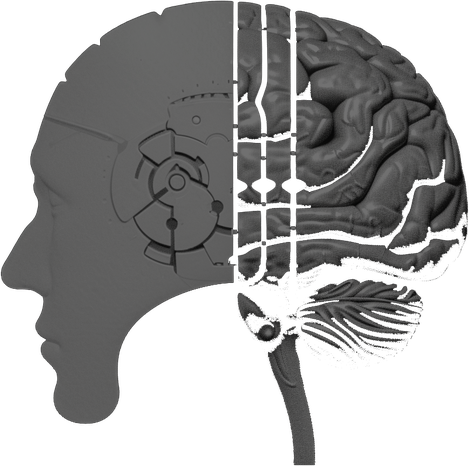
IANética is the reflection space of the technohumanist movement: an ethics for the age of artificial intelligence and the Internet of Everything, with technology at the service of people. It was born in 2020 and is now entering a new moment: the technohumanist movement has its home at tecnohumanismo.com, and IANética is sustained thanks to the support and collaboration of Las Palmas de Gran Canaria, candidate for European Capital of Culture 2031.
A new moment
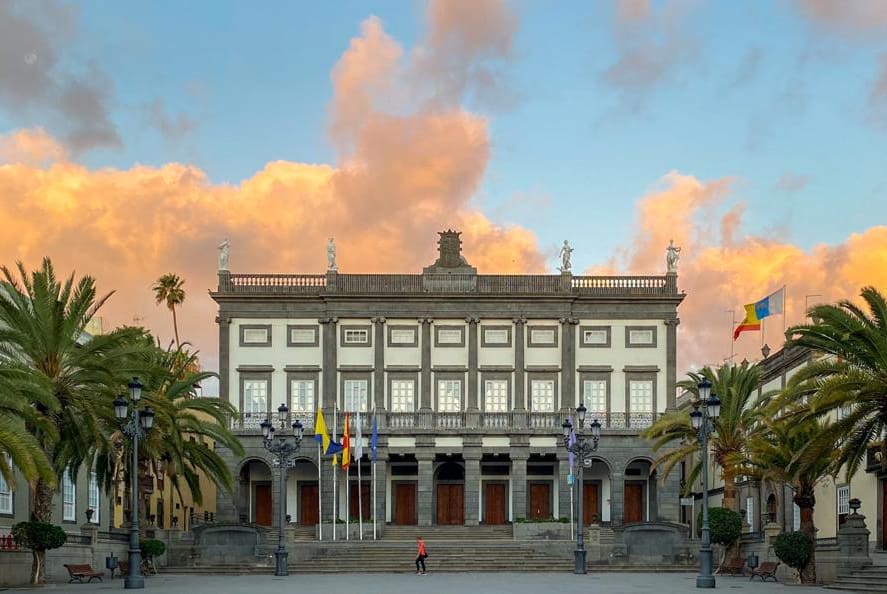
In 2026 IANética enters a new stage. Today Las Naves, the innovation centre in València where it was born, is called València Innovation Capital and continues to grow; IANética continues its path from Las Palmas de Gran Canaria, candidate for European Capital of Culture 2031 (Geography Rebellion). Thanks to Las Naves for hosting the project from day one.
The technohumanist movement, with its Manifesto, the institutions that support it and the way to join, now lives at tecnohumanismo.com. IANética keeps what it does best: thinking, publishing and training. It is the movement’s archive of articles and reflection, and the place to follow the debate on technology at the service of people.
What IANética is
IANética is a technohumanist project whose goal is to contribute to developing an ethics for the age of artificial intelligence and the Internet of Everything. Technohumanism aims to put technology at the service of people: it is born from combining thought and technology, from the union of the heart and the machine.
It is not about stopping innovation or idealising the past, but about deciding, while there is still time, what each technology is designed for, who benefits from it and who it leaves out. Artificial intelligence, extended reality or bioengineering are not a destiny: they are a collective choice.
The pillars: the Technohumanist Manifesto
The pillars of IANética are those of the Technohumanist Manifesto (2020, 2025 edition), which you can read in full at tecnohumanismo.com. It brings together seven principles, sixteen fundamental rights in the digital age and a decalogue of commitments. It is an open invitation to governments, educational institutions, companies and citizens.

Seven principles
Sixteen fundamental rights
The Manifesto sets out sixteen fundamental rights in the digital age, including the rights to privacy, truth, control of data, digital identity, disconnection, human supremacy and the integrity of the self. Each has its article on IANética: read them in the Rights section.
Decalogue of commitments
Ten commitments to put technohumanism into practice, from «technology at the service of the human being» and the preservation of human supremacy to the transparency and intelligibility of systems. They are set out in the Technohumanist Manifesto.
What IANética does today
Join in
If you share these ideas, you can read the Manifesto, meet the institutions that support it and join the movement at tecnohumanismo.com.
How it started
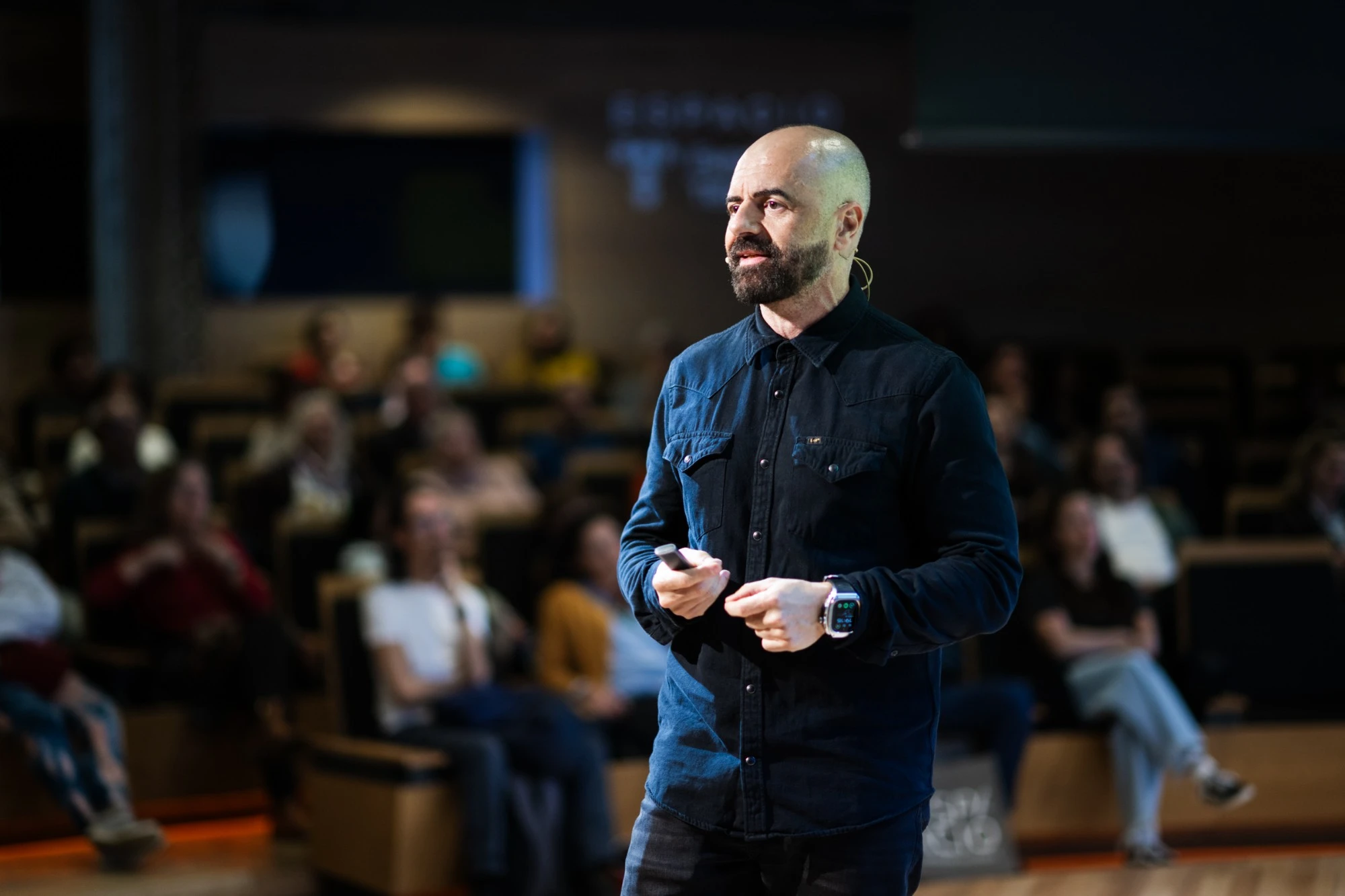
IANética was born in 2020 at Las Naves, the innovation centre of València City Council, created by Pedro Mujica together with the Technohumanist Manifesto. Between 2020 and 2023 it was a meeting point for talks, congresses and debates. You can see the full story in the Roadmap and meet the team in Who We Are.